Serving the Greater Tampa Bay Region


The Clearwater Homeowner’s Guide to Emergency Plumbing Prevention
Clearwater is a paradise for those who love the sun and the Gulf of Mexico, but the local environment can be incredibly harsh on residential plumbing systems. Between the salt air, the high water table, and the shifting sandy soil, homeowners in Pinellas County face a unique set of challenges. Plumbing emergencies rarely happen at a convenient time. They often strike in the middle of the night or during a holiday weekend, leading to high stress and even higher repair bills.
The goal of this guide is to move you from a reactive mindset to a proactive one. By understanding the common causes of plumbing failures in our coastal climate, you can take steps today to ensure you never have to make an emergency call to a plumber. At Formula Plumbing, we believe that the best emergency is the one that never happens.
Safeguarding Your Main Water Line
The main water line is the artery of your home. In Clearwater, these lines are often subject to external pressures that can cause sudden, catastrophic leaks.
Understanding Soil Shifting and Tree Roots
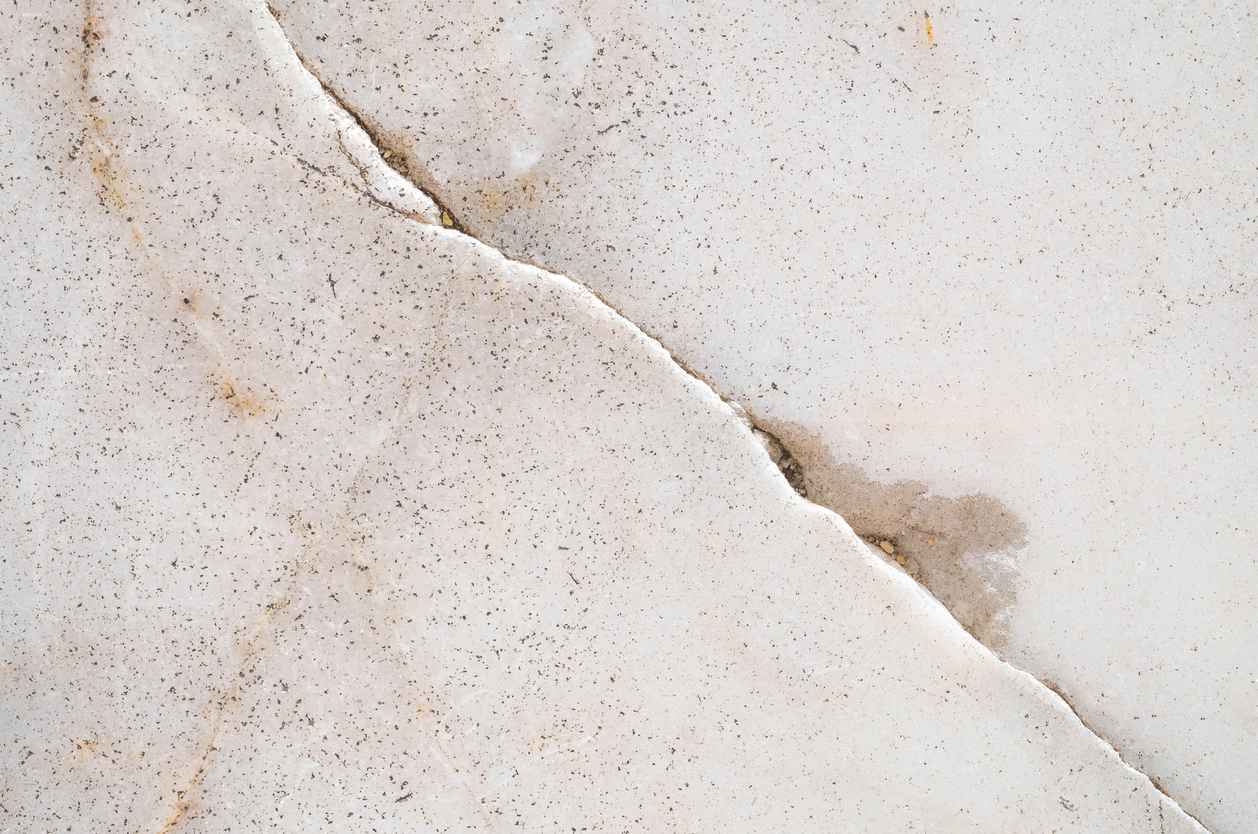
The sandy soil of Clearwater is prone to shifting, especially during the heavy rain cycles of the summer. This movement can put immense stress on older pipes, leading to cracks or full breaks.
- Tree Root Intrusion: Fast-growing tropical trees like palms and oaks have roots that seek out moisture. They can penetrate even tiny fissures in your pipes, growing inside until the line is completely blocked or shattered.
- Saltwater Corrosion: If you live near the coast, the high salt content in the soil can accelerate the corrosion of metallic pipes, particularly older galvanized steel or copper lines.
- Visible Warning Signs: Look for unexplained wet spots in your yard or a sudden, localized patch of lush, green grass that grows faster than the rest of the lawn.
Pressure Management
High water pressure might feel great in the shower, but it is one of the leading causes of burst pipes and failing appliances.
- Install a Pressure Reducing Valve: Most homes should have a water pressure between 40 and 60 psi. Anything over 80 psi significantly increases the risk of a blowout.
- Thermal Expansion Tanks: As your water heater warms up, water expands. If there is no place for that extra volume to go, it creates a pressure spike throughout your entire home.
- Monitoring the Meter: Periodically check your water meter when no water is running. If the dial is moving, you have a leak that needs immediate attention.
Protecting Your Drain and Sewer Lines
A sewer backup is perhaps the most unpleasant plumbing emergency a homeowner can experience. In our region, the high water table means that your drainage system must work perfectly to prevent overflows.
The Dangers of FOG (Fats, Oils, and Grease)
One of the most common causes of emergency blockages is what homeowners put down their kitchen sinks.
- Never Pour Grease Down the Drain: Even if you flush it with hot water, grease eventually cools and solidifies, creating a rock-hard blockage deep in your pipes.
- Proper Disposal: Collect cooking oils in a container and dispose of them in the trash once they have cooled.
- The Ice Cube Trick: Periodically run ice cubes through your garbage disposal to help knock loose any grease buildup on the blades and the interior of the unit.
Managing Flushable Items
The term flushable is often a marketing term rather than a technical one. Many items labeled this way do not break down in the sewer system.
- Toilet Paper Only: The only things that should go down a toilet are human waste and standard toilet paper.
- Avoid Wet Wipes: Even flushable wipes are a primary cause of major clogs in Clearwater sewer mains. They get caught on small imperfections in the pipe and create a dam.
- Hair Catchers: Use mesh screens in your showers and tubs to prevent hair from entering the drain, as hair acts like a net that catches other debris.
Water Heater Longevity and Safety
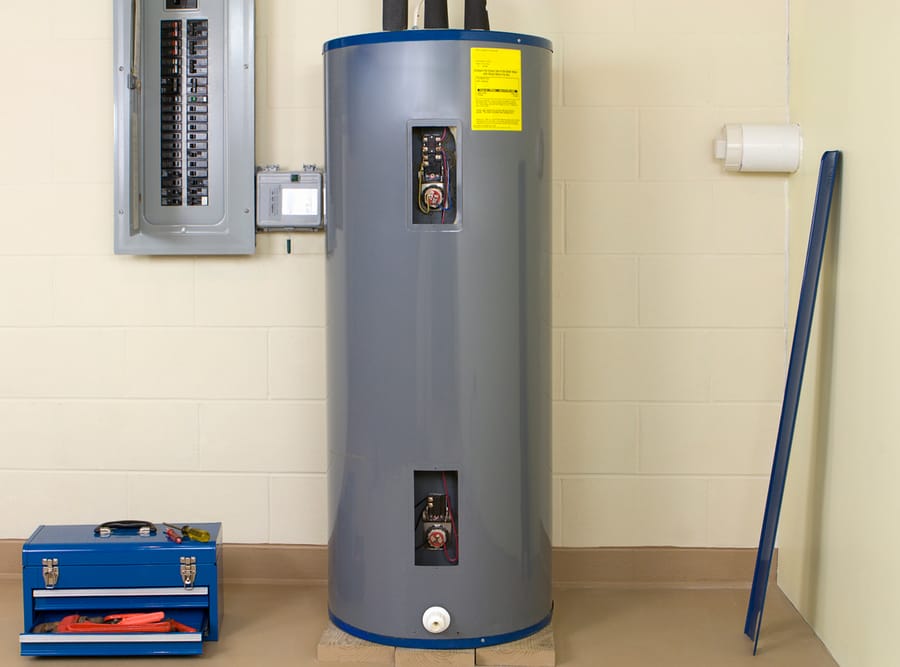
In Clearwater, the mineral content in our water can be quite high. These minerals settle at the bottom of your water heater, leading to inefficiency and eventually a tank failure.
Preventative Flushing
Flushing your water heater once a year is the single best thing you can do to prevent an emergency flood.
- Sediment Removal: Flushing removes the calcium and magnesium buildup that can cause the bottom of the tank to overheat and weaken.
- Anode Rod Inspection: This sacrificial rod attracts corrosive elements to itself so they do not eat away at the tank. If the rod is depleted, your tank is next.
- Temperature and Pressure Valve: Test this safety valve annually. If it is stuck or leaking, your water heater could potentially become dangerous due to over-pressurization.
Upgrading to Modern Solutions
If your water heater is more than ten years old, you are living on borrowed time.
- Tankless Options: Many Clearwater homeowners are switching to tankless water heaters. They eliminate the risk of a 50-gallon tank suddenly bursting and flooding your home.
- Leak Detection Alarms: Place a small, battery-operated water alarm near the base of your heater. It will alert you to the very first drop of moisture, allowing you to act before the damage spreads.
Preventing Sump Pump and Lift Station Failures
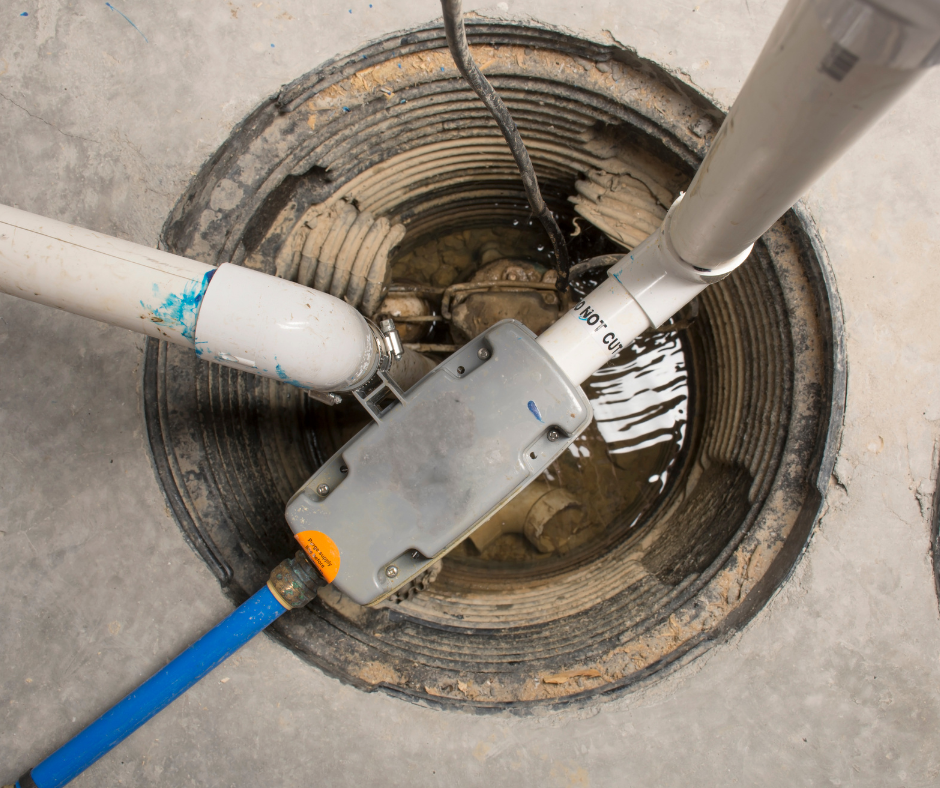
Because many parts of Clearwater are at or below sea level, many homes utilize sump pumps or sewage lift stations to move waste and water out of the home.
Battery Backup Systems
A pump is only as good as the power source feeding it. During a Florida thunderstorm, power outages are common.
- Always Have a Backup: A battery backup ensures your pump continues to work even when the lights go out.
- Routine Testing: Once a month, pour a bucket of water into the sump pit to make sure the float switch triggers the pump immediately.
- Alarms and Sensors: Modern lift stations often come with high water alarms. If you hear a buzzing sound coming from your yard or garage, call Formula Plumbing immediately.
The Benefits of Professional Maintenance
While there are many things a homeowner can do, some prevention requires professional tools and expertise.
- Video Pipe Inspections: We use high-definition cameras to look inside your lines, identifying cracks, clogs, or root intrusions before they cause a backup.
- Hydro Jetting: This process uses high-pressure water to scrub the inside of your pipes clean, removing years of buildup that a standard snake cannot reach.
- Comprehensive Home Audits: A professional plumber can spot small drips under sinks or behind toilets that you might miss, preventing wood rot and mold growth.
Your Plan for a Plumbing-Safe Home
An emergency plumbing situation can ruin your floors, destroy your furniture, and lead to expensive mold remediation. By following this guide, you are taking the necessary steps to protect your property and your wallet. Clearwater residents have enough to worry about during storm season without adding a plumbing disaster to the list.
Formula Plumbing is dedicated to keeping the Clearwater community running smoothly. We recommend a yearly inspection to verify the health of your system and address minor issues before they become major headaches.